
I’ve just left Nawi Marina. The nicest marina I’ve been in since… I can’t remember when. Probably Samana in Dominican Republic. It is brand new and the infinity pool and spa area hasn’t even opened yet, but if the toilets and showers are anything to go by, it will go from really nice to spectacular once it’s all finished.
It’s supposedly also ‘cyclone proof’. Now, that’s a tall promise that needs to be put to a test. Fiji got lucky last year when Cyclone Lola (which caused us to abort our first attempt to sail from Tonga to New Zealand) looped around the island group and hit Vanuatu with full force instead. Either way, I have no intentions of taking part in this test and will most certainly make sure I’m not in ‘cyclone alley’ when summer comes. The temperature is steadily moving from warm to hot so it’s clear that it’s now spring in the southern hemisphere. I still have some time to explore the Yasawas in western Fiji and Vanuatu but it’s time to refine my exit strategy and make sure that I’ve moved on come November.
I spent my week in Nawi cleaning up my act after a month and a half in the middle of nowhere. And I arrived short of everything. Food, drinks, diesel, petrol, cleaning products, toiletries and clean clothes. Down to my last manky t-shirt, canned food and a last bottle of horrible rum that had survived since French Polynesia. But Saoirse has now been professionally cleaned and I’ve handed in thirty kilos of laundry, provisioned, fuelled up and made sure we are both ready for new adventures.
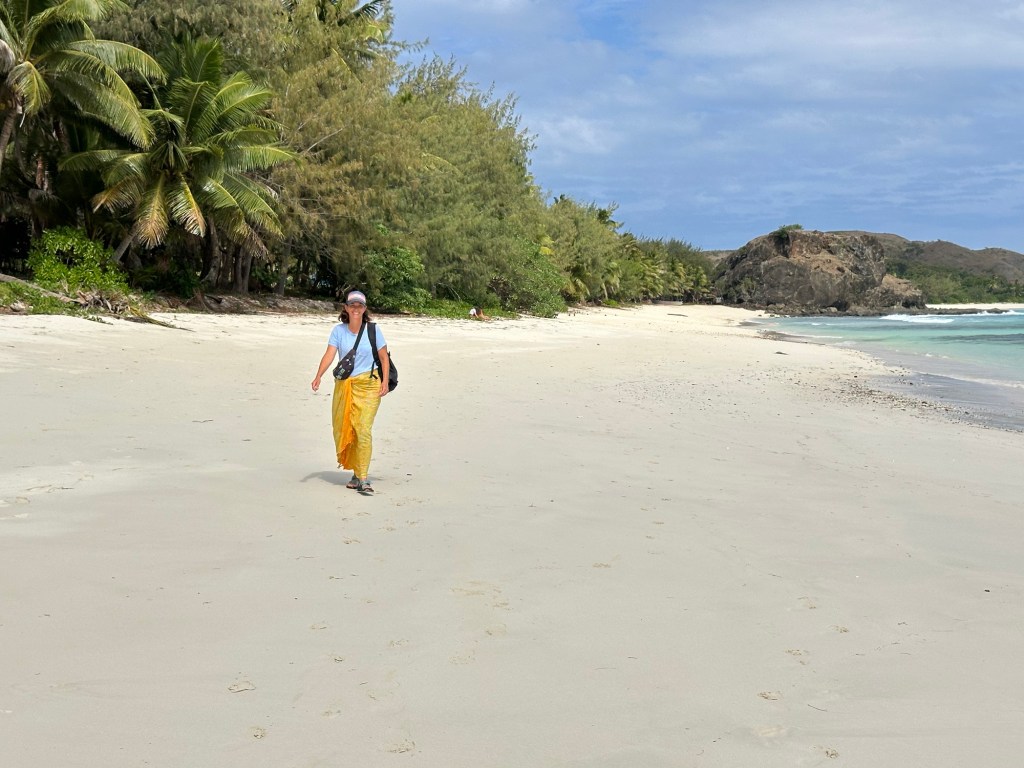
My time in the in the Lau group was fantastic. A true paradise that very few visitors get to experience. Often hundreds of miles from civilisation and only connected via a supply ship that arrives every fortnight or in some cases once a month. The villages on the islands rarely have more than a hundred souls that are totally dependent on each other. Many of them kids of up to primary or possibly secondary school age and their grandparents. The generation in the middle often has to move to the mainland when the older kids are ready for the next level in the Fijian education system. In Tonga most kids went to boarding schools during the weeks and came back during the weekends, but the distances to the islands in the Lau group are too great for a weekly commute. Parents have to rely on extended family members and others in the village for looking after their youngest that are left behind and it was fantastic to observe how vibrant the villages got during school breaks when the communities almost doubled in size.
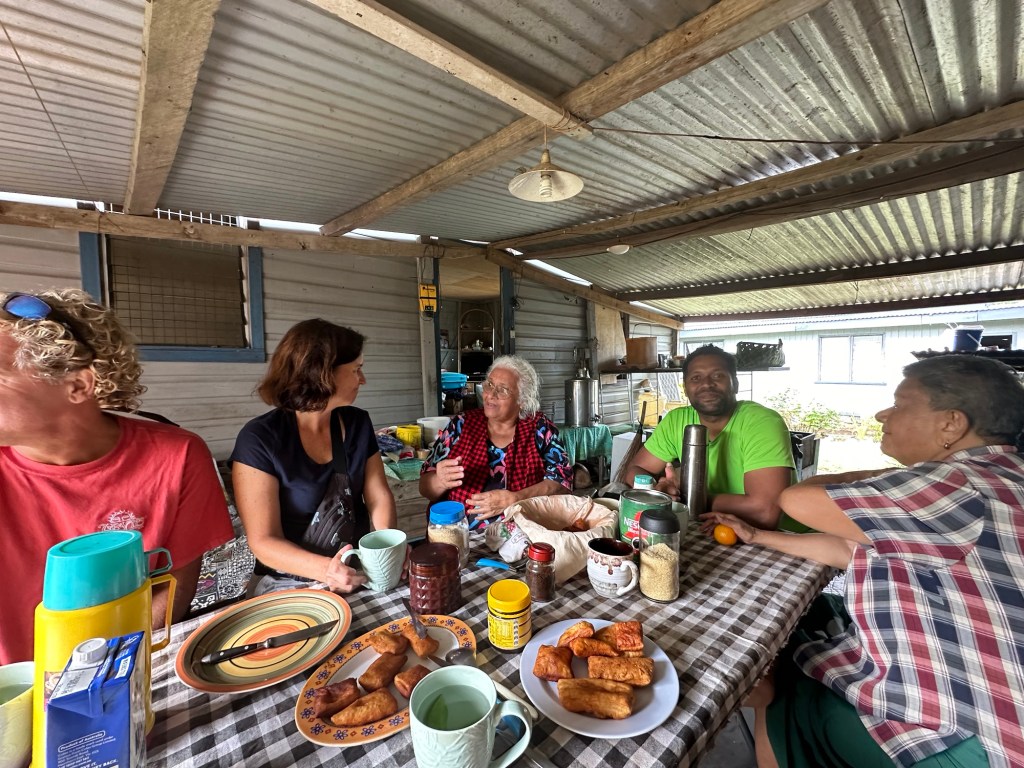
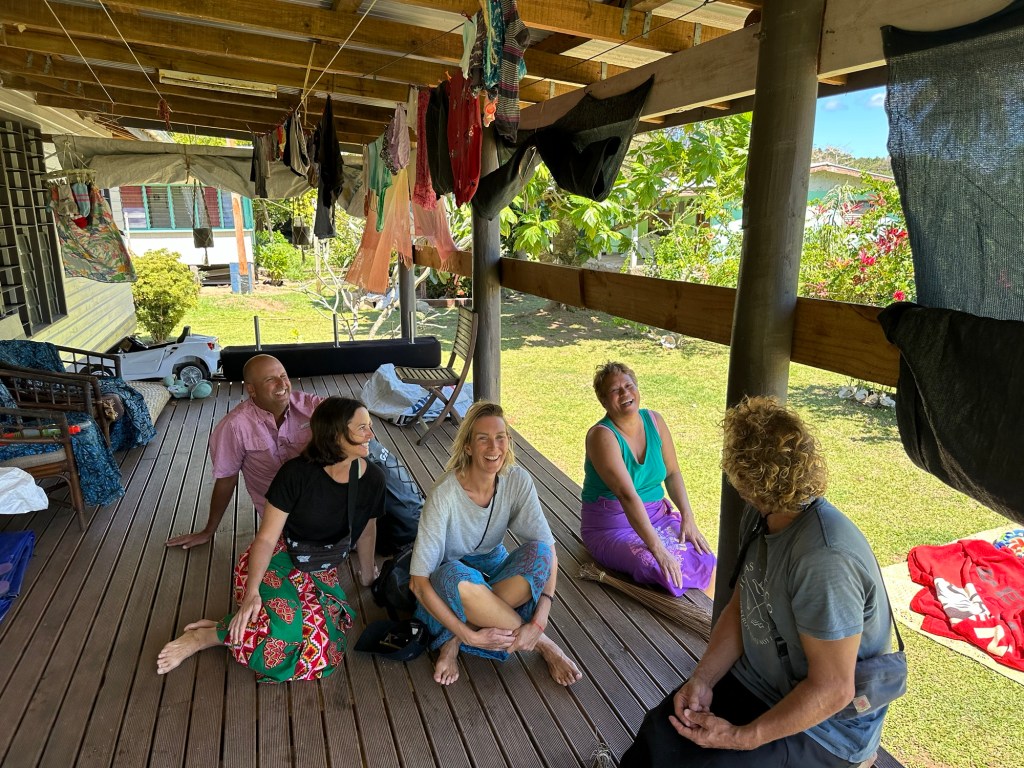
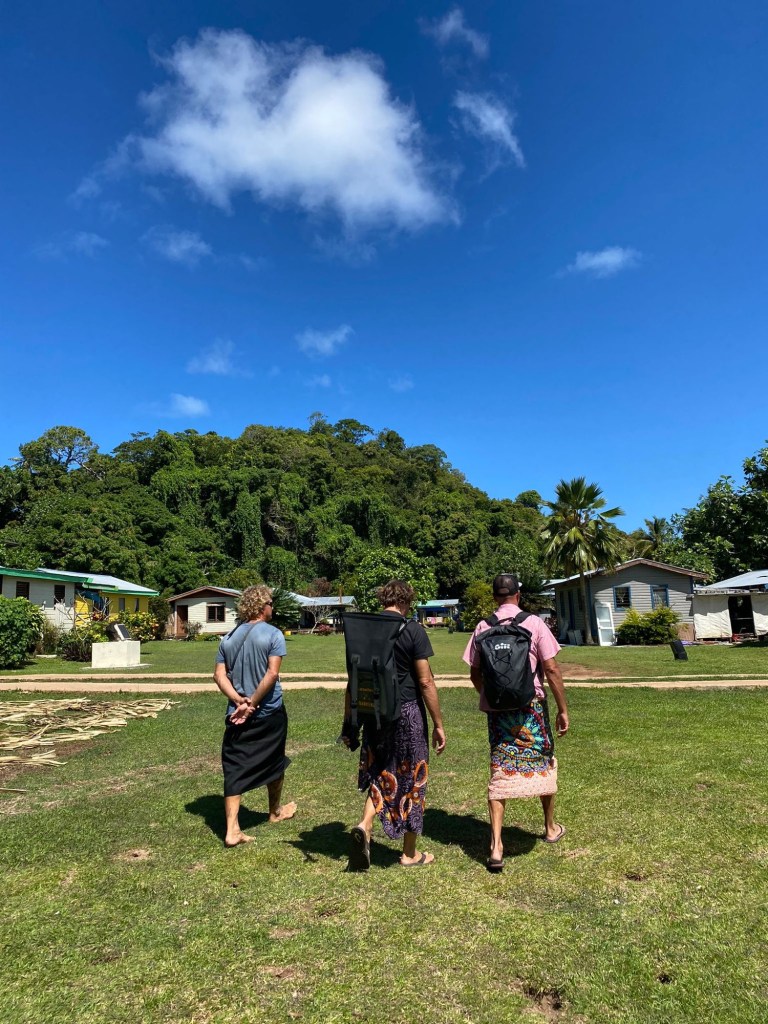
As cruisers we are always welcome. Provided that we respect their traditions. Most importantly, all visitors are expected to offer Sevusevu to the village chief. Even if they are just visitors from the neighbouring village. Essentially this is a gift in the form of a kava root that they grind into a powder that is mixed in water in a large communal bowl. It reminds me of muddy water and doesn’t really taste of anything, but it’s intoxicating and clearly consumed in large quantities. In addition to Kava, most cruisers also bring things like medicines, school material, second hand clothes and toys for the children. Either arranged through cruiser volunteering organisations like Sea Mercy or just by themselves. One of my cruising buddies even brought two wheel chairs to a remote island in the Lau group! In return we were guided through their villages and offered anything from coconuts and fruits to tea made on some obscure leaf that I’ve never seen before. A fantastic exchange of experiences where I often found that they were at least as interested in my culture as I was in theirs. To the extent that cruisers regularly are asked asked to speak in front of local school classes.





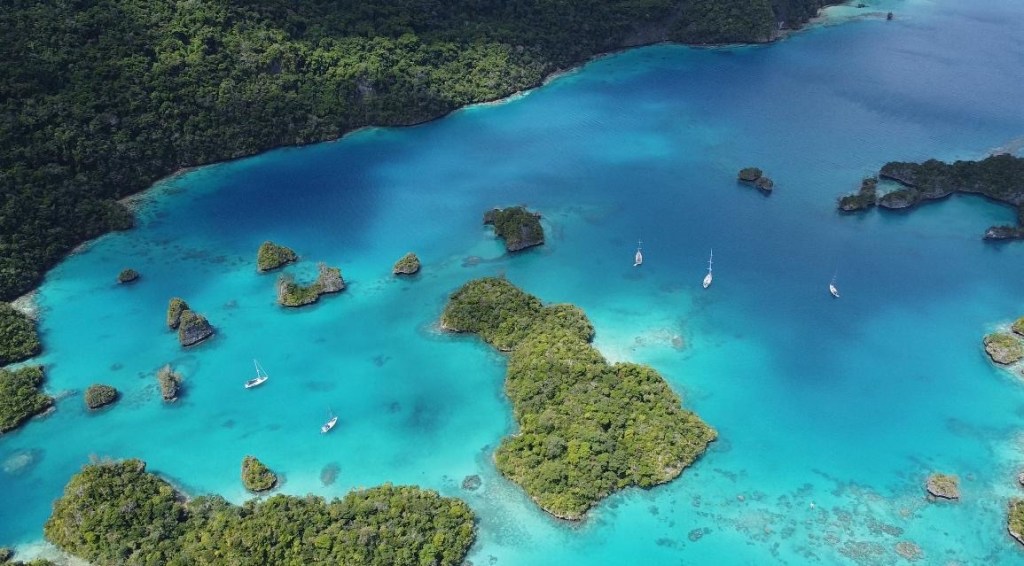

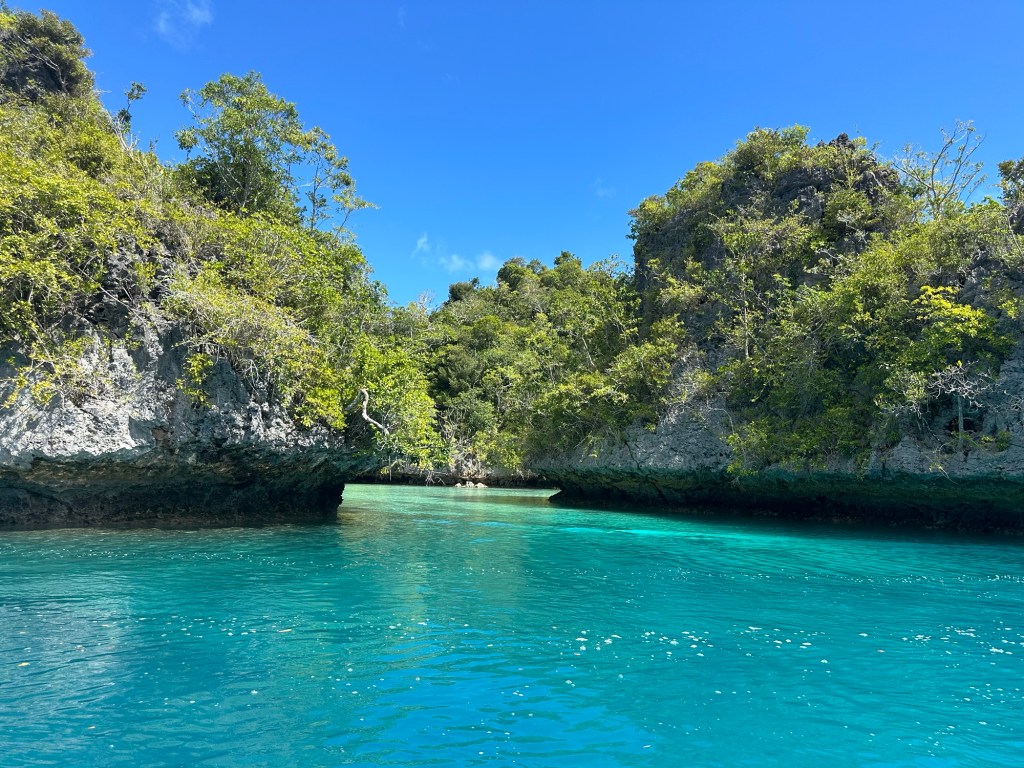
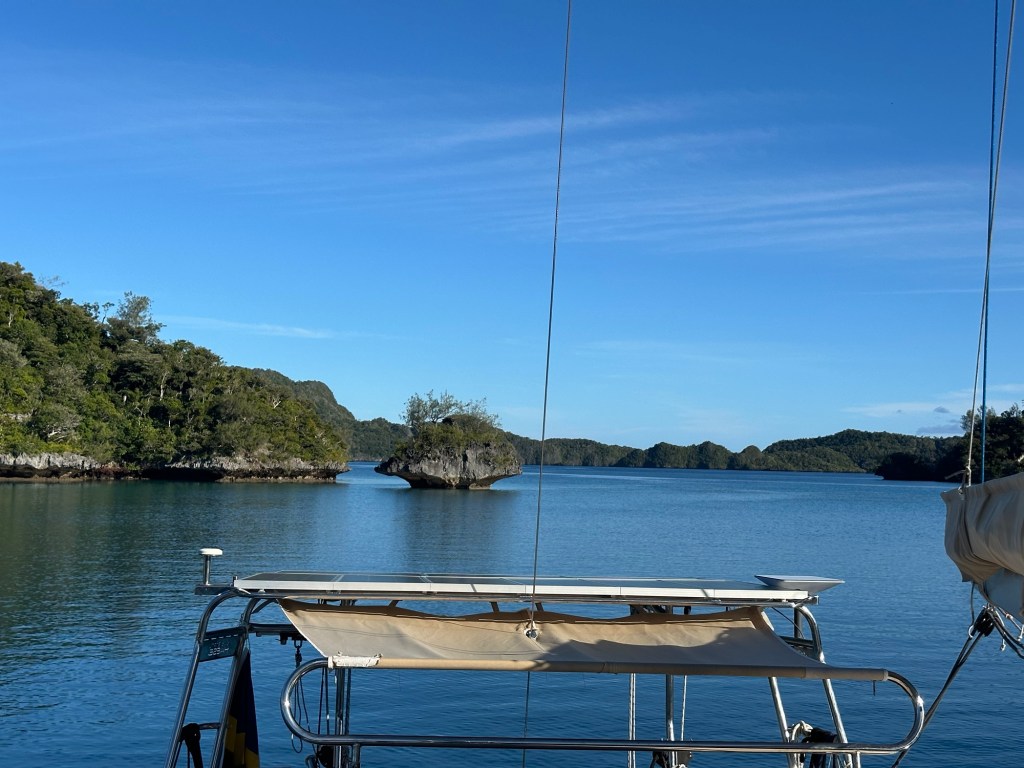


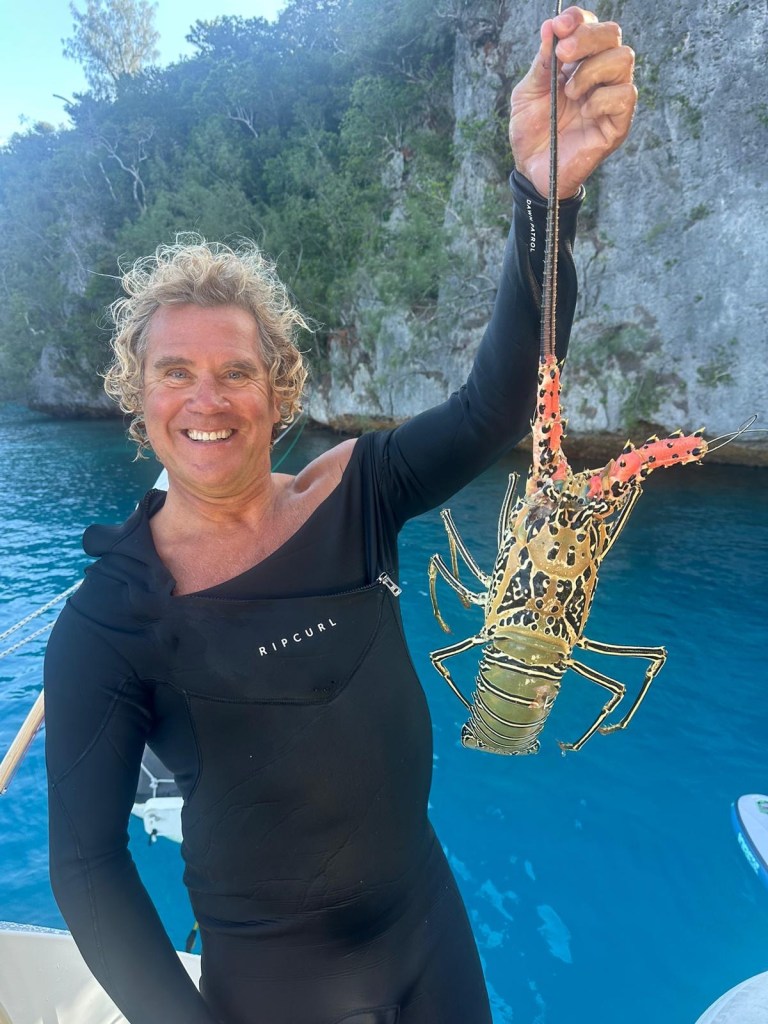

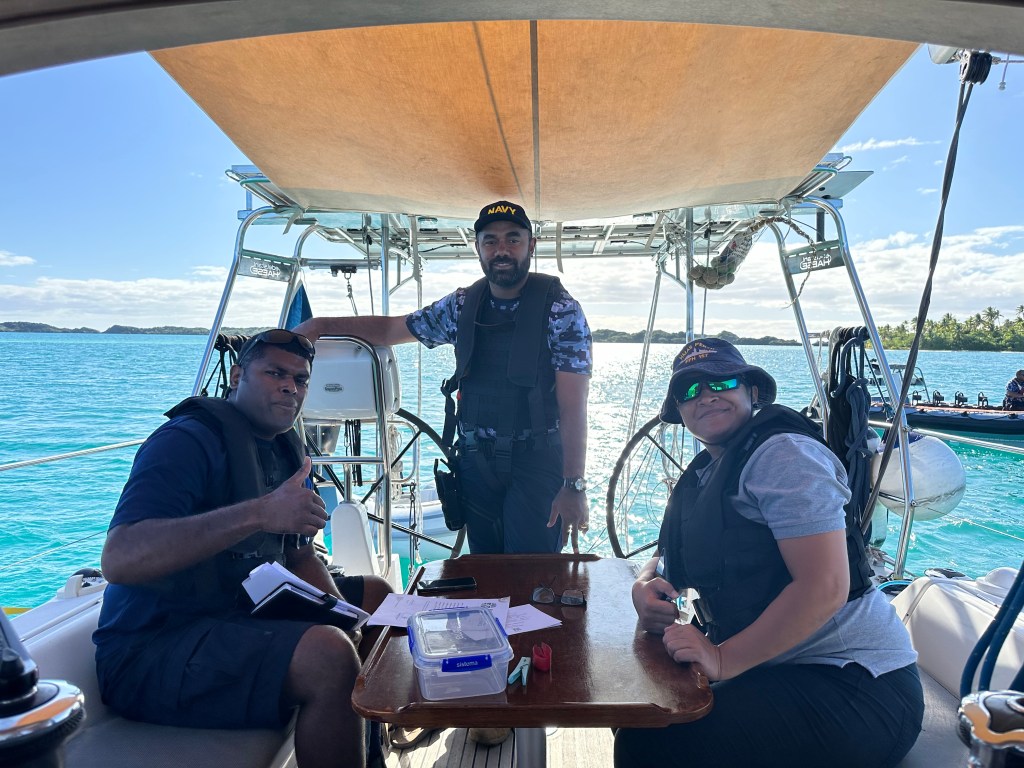
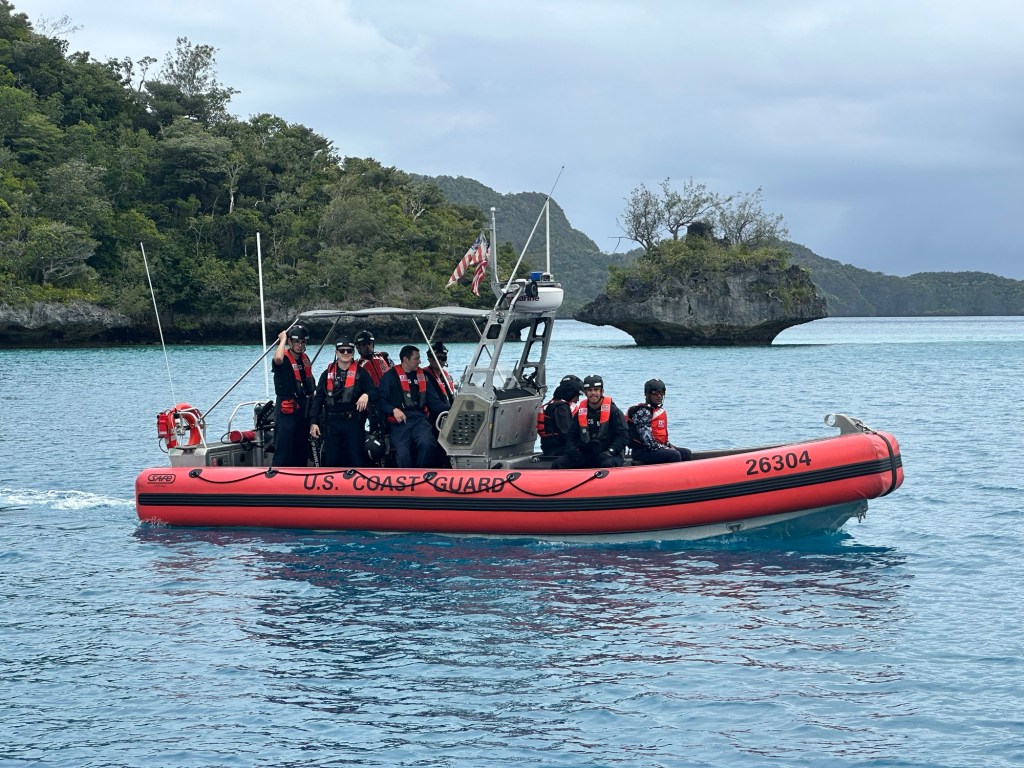
The cruising community also appears to have caught the interest of the Fijian authorities. During my two months in the country I have been boarded no less than five times. Often by a combination of authorities. Fijian coast guard, customs, immigration, police, navy and once even by the US Coast Guard. Most of the time it’s a little hard to understand what it is that they are looking for. It’s not like I’m targeted, they go to every boat in an anchorage. And every time there is a whole host of people that have to come onboard which makes it very difficult to move around on Saoirse and even more difficult to find whatever they hope to find. Particularly as most of them are very large to put it delicately and they clearly have very limited experience when it comes to moving around on a small boat. They have all been very nice and happy to chat and be photographed but it’s just a lot of officials every time and you have to make sure that they don’t break things in their effort to find whatever they are looking for.
I briefly mentioned my most memorable boarding experience in my last post from Vulaga. I thought I’d expand on this a little now that some time has past and I’ve moved to a different part of Fiji. I was boarded by the Fijian navy. The very same navy that had their brand new vessel, a gift from Australia, on full display high up on the rocks in the reef pass as you enter the atoll. I was politely asked if they could come aboard before they disembarked no less than seven officials that only really appeared to be interested in evidence of that I had correctly entered Fiji and not just stopped in the Lau group on my way from New Zealand. As I understand it they got two hits in the anchorage, one that tried to sneak out while they were on my boat. God knows what happened to them. The best outcome is probably that they were just fined and deported but I have heard stories of confiscation of boats and jail time.
Either way, when they were finished with me and getting ready to leave I heard a metallic noise from the stern. My immediate thought was that they had broken something on Saoirse. Not an outrageous thought when there were three large gentlemen standing on poor Saoirse’s retractable swim platform. Three men that looked like six year olds that wanted to hide something from their mom. I asked what the noise was and was told that they dropped something in the ocean, a police baton. When I said that it could be worse I was told it was an electric baton and when I asked if it was a taser gun they all nodded in agreement. The officer that lost the gun asked his colleagues something that involved the word ‘scuba’ and they all shook their heads with the same level of synchronisation as when they nodded when asked if it was a taser gun. I was then asked how long I was going to stay where I was, presumably as a marker for where it happened. Unfortunately a sailboat on anchor moves a lot and if you don’t try to retrieve what you lost immediately it’ll be very hard to find. And as I really couldn’t envisage any of them getting down to a seven meter depth I volunteered to swim down and get it for them. A gesture that was reluctantly accepted and it probably took me a dozen dives in murky water to find what turned out to be a real gun. One that shot out a bullet on the side as the owner pulled the mantel towards him. They all left Saoirse in a state of relief and gratitude. And possibly feeling a little embarrassed.
At present I’m hanging out with friends in the very remote Yasawa group in western Fiji. But I really have to start to get my act together and collect my new sail that is waiting for me in Vuda and prepare for my departure from Fiji. I wish I could stay longer but I really have to get going so that I get to explore some of Vanuatu. After all, they have one of the world’s most active volcanoes waiting for me there. An experience that I’m not going to miss out on.

Discover more from Saoirse
Subscribe to get the latest posts sent to your email.

 Saoirse